Bullying and School problems
On average, your child spends 6 to 7 hours of their day in school — and they may spend many after-school hours with peers either online or in person. While many of those hours are productive and fun, some of them may involve bullying.
Perhaps unsurprisingly, children in middle school report the most bullying (28% trusted source)). This is followed by reports of bullying at high schools (16 percent), combined schools (12 percent), and primary schools (9 percent).
But regardless of your child’s age and where the bullying takes place, it can be serious. And it helps to recognize the different types. Here’s what you need to know.
Defining bullying
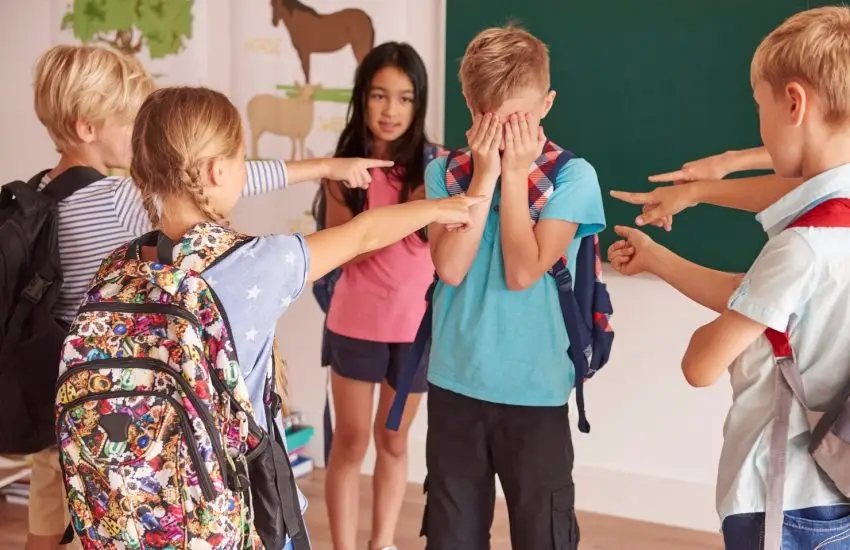
Think of bullying as a type of youth violence. It includes three things:
- unwanted aggressive behavior
- power imbalance
- repetition
There are different types of bullying: physical, verbal, relational, cyber, and prejudicial. Let’s take a look at each of them.
Physical bullying
Physical bullying is the easiest to spot because it’s the most obvious form of bullying. It’s also what you’re most likely to think of when you consider bullying.
This type of bullying is about using physical actions. Think pushing, tripping, kicking, hitting, spitting on. It’s also about destroying a child’s property of purpose.
If you notice the following in your child, you may be dealing with physical bullying:
- dealing with stomachaches or headaches in the mornings
- dragging out the morning routine
- refusing to go to school despite a former love for it
Their reaction is normal — most of us withdraw from whatever is making us feel stressed. It’s sort of like shoving bills in a desk drawer so you can’t see them.
Gently ask your child questions to get them talking about their friends and their social situation. Brace yourself, because your child may share things that will make you cringe. Let your child know that it’s OK for them to share their pain with you and that you can help them.
Verbal bullying
Verbal bullying is harder to spot because the bullies almost always operate when adults are off scene. Bullies will make fun of their victims, tease them, call them names, throw insults at them, and verbally intimidate them.
Hurtful words can break a child and can leave deep emotional scars.
Verbal bullies often hone in on children who appear vulnerable or are perceived as different than other children.
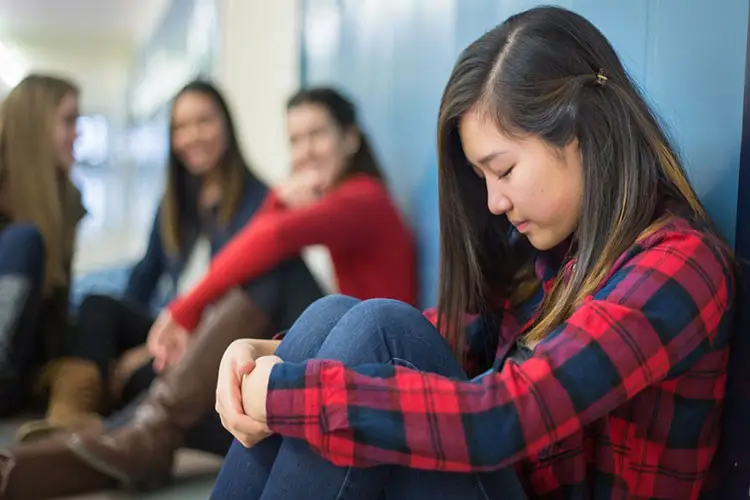
Relational bullying
While physical and verbal bullying are direct forms of bullying, relational bullying is an indirect form. A 2009 study on direct and indirect bullying showed that boys are more involved in direct bullying, while girls are more involved in indirect bullying.
Relational bullying (also called social bullying) isn’t easy to spot because it often happens behind the back of the bullied person. A relational bully is usually set on increasing their own social standing by diminishing the standing of another child.
Relational bullying is about:
- harming a child’s reputation
- causing humiliation
- spreading rumors or lies
- making faces at the child
- mimicking the child
- encouraging or even rewarding others to socially exclude the child
Your child can learn to refuse to take part in this type of bullying by taking the position of an upstander. An upstander, unlike a passive bystander, takes positive action when they witness someone else being bullied. As well as lending support to peers, your child builds their own resilience.
Prejudicial bullying
A prejudicial bully targets those whose race, religion, or social standing is different than theirs. This is usually something they’ve learned from parents or others who are close to them, though not always.
Talking with your child about race and racism — along with other types of injustice — is critically important.
Aside from the immediate detrimental effects, the danger with this type of bullying is that it can lead to hate crimes.
Who to contact if your child is being bullied at school
When your child tells you that they’re being bullied, be there for them. Giving them support when they’re being targeted is probably one of the most important things that you’ll ever do.
- Your first step is to talk to your child’s teacher. If this doesn’t help, turn to the guidance counselor, principal, or school administrator.
- Keep a log of every bullying incident and take it to the school. Include the date it happened, any abusive messages your child received, and any injuries or damage to property.
- Follow up with the school regularly to check how they’re dealing with the bullying.
- If your child has physical injuries or refuses to go to school, turn to your doctor to have this officially recorded.
- Consider taking your child to a family therapist to give them the tools to face going to school while the bullying hasn’t been resolved. Seeing your child be victimized is heart-wrenching, so don’t ignore your own need for support.
The takeaway
Often, bullying isn’t a result of anything your child did or didn’t do, and it says more about the bully’s home life or personal situation.
Positive parenting (with abundant warmth and support) can go a long way to protecting your child from becoming a target, but can’t always prevent it completely.
If your child has a strong circle of friends, it’s also less likely that they’ll be targeted. So check in with your child often, support their social development, and stay in the know about their friendships. If and when bullying happens, they’ll be more likely to turn to you for help.